
September 13 2025, 14:46
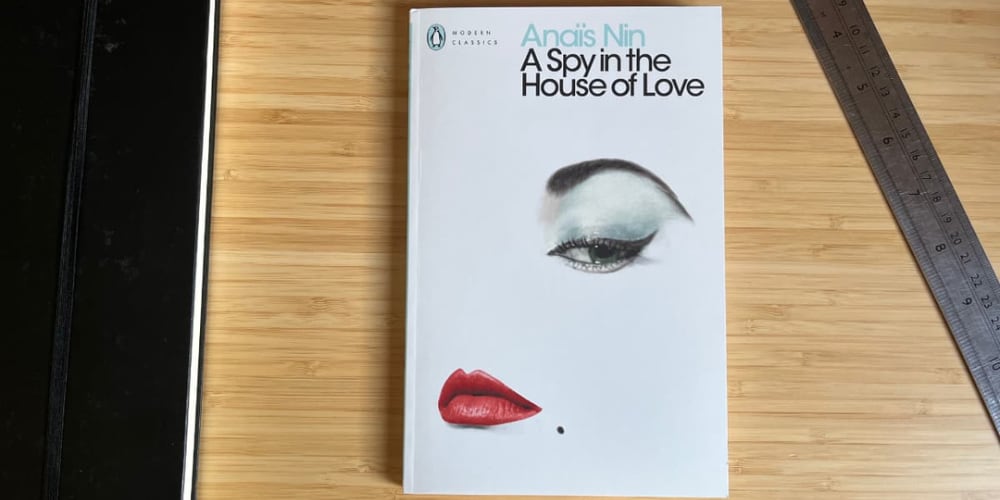
A Spy in the House of Love
~ 35,000 words. Third person limited/omniscient, mostly with Sabina.
Sabina is in a long-term relationship with Alan, a father figure, while having affairs with other men. She is an actress and, when she disappears for days and weeks at a time, she tells Alan it is to perform in plays across the country, whereas actually she is staying alone in the city to hook up with new people. On her return, she improvises for Alan elaborate lies about her time away, but this takes its toll on her mental health.
At the opening, Sabina wakes in a hotel bedroom, tense and anxious, looking for danger, then gradually feeling better as she applies her makeup and chooses her clothes, completing her costume with a cape that she feels gives her “some dash, some audacity, some swagger of freedom denied to woman”. It’s her battle dress in her lifelong fight to feel whole instead of fragmented. This is the main theme of the novel.
In the opening pages, we see Sabina through the eyes of ‘the lie detector’, who by the end we realise is Sabina’s internalised guilt. Alan gives her the stability she needs, but he doesn’t see the whole of her, and she lies to him so that she can look for missing parts of herself in other men. Whether she is really an actress or not, she is a gifted chameleon, changing with each man, responding to what they need from her. But unlike in a play, she struggles to shake off these relationship parts from her elusive underlying personality.
The prose is thick with lyrical details about feelings, needs and desires, philosophical in places, building to a conversation in a nightclub with an artist, Jay, who perhaps captures closest the reader’s view of Sabina in all her messy glory. The arrival of a character called Djuna Barnes, who Anaïs Nin admired in real life but was never friends with, gives Sabina access to some insight and peace.
Previous: we had to remove this post | Next: Universality