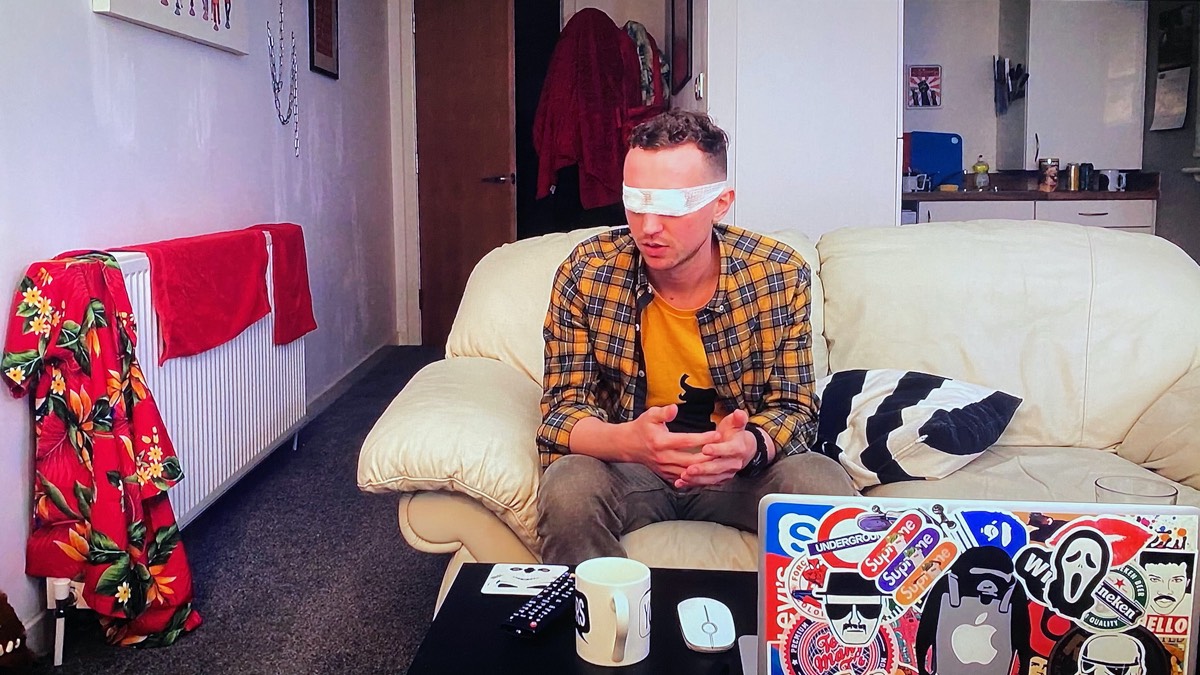
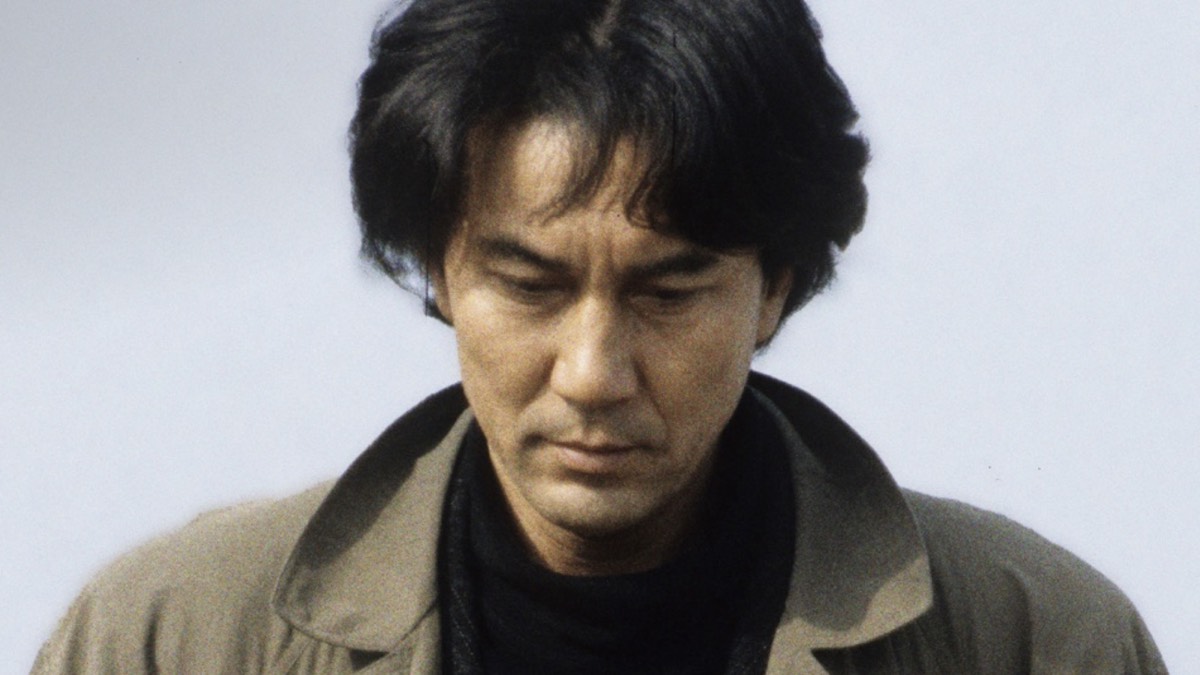
September 06 2020, 15:38
Doing 31 Days of Horror, 2020
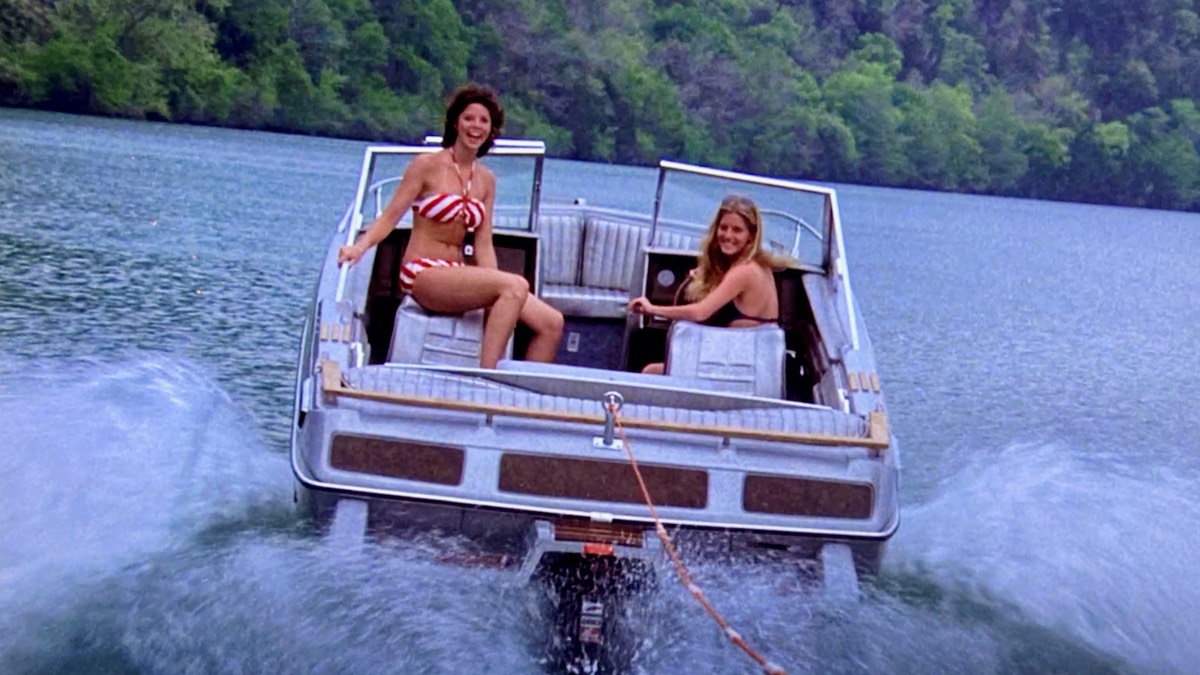
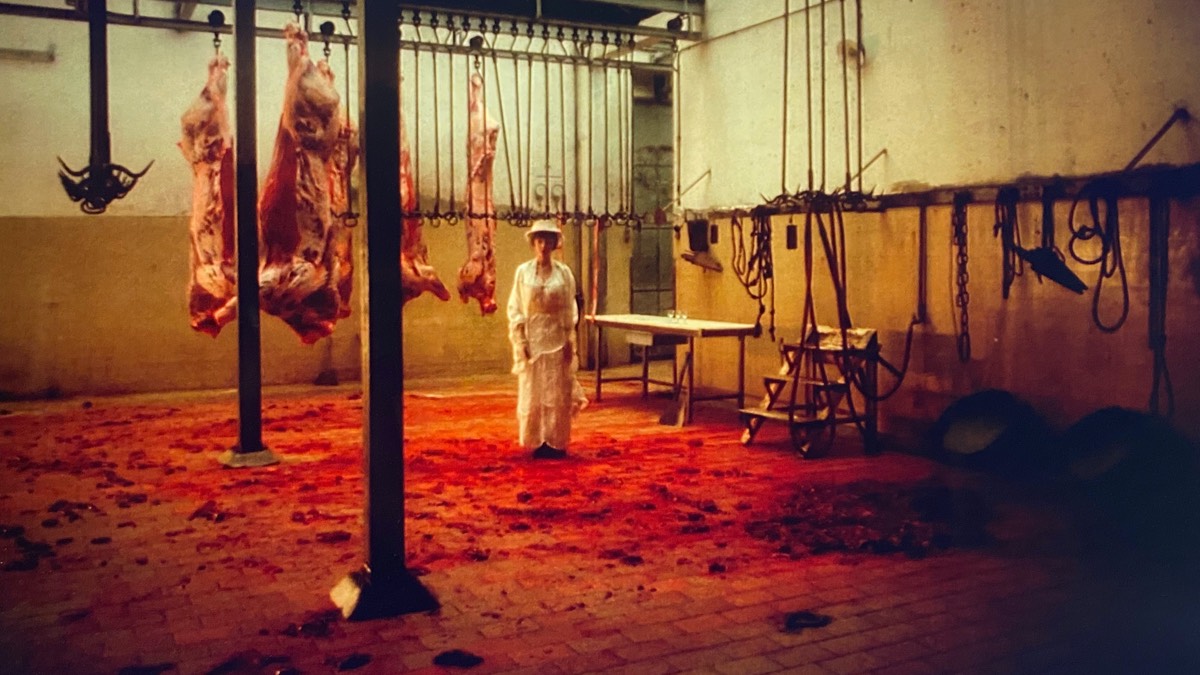
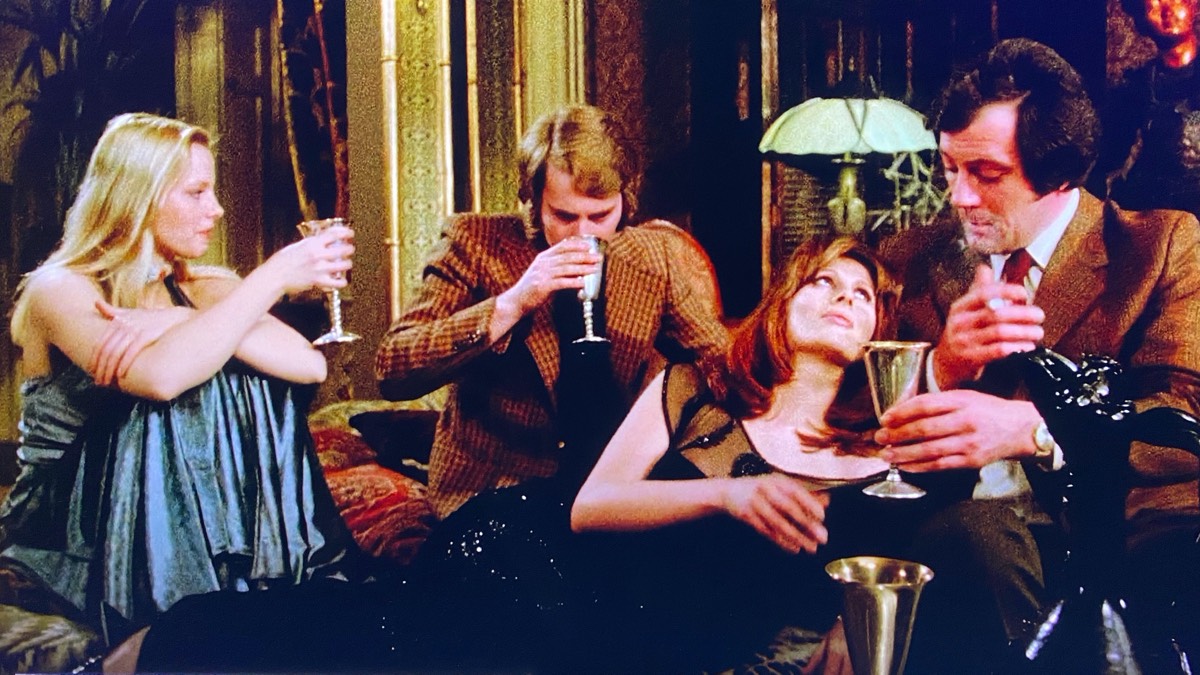
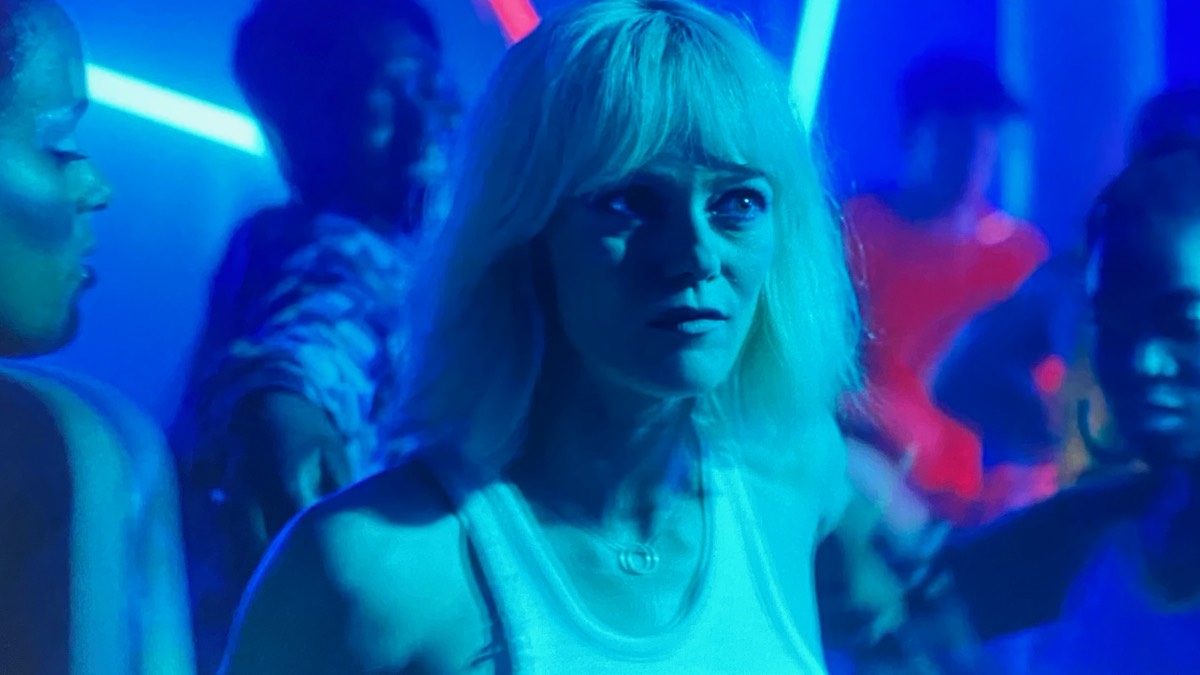
With 2020 being a demented shitshow, I did fleetingly wonder if I wanted to do #31DaysOfHorror again this year, but then I remembered why I love horror films — they are an escape from reality; they are an outlet for the darkness in me; and they are smart, subversive and funny, as well as gnarly, gruesome and grim. I find them endlessly fascinating, invigorating and fun.
Now #31DaysOfHorror might seem extreme (the original idea was you watch a horror film every day in October, culminating in Halloween, and post your pick each day with the hashtag), and in my first attempt, in 2018, I was such a purist about it, it really did feel extreme. It was actually bad for my mental health. I watched a horror film every day, apart from, ironically, the very last day, Halloween, when I was so emotionally exhausted I completely forgot to do it. My unconscious mind just said no.
But I did watch a lot of films I’d meant to watch for years. There was a lot of fun to be had if I could better pace myself. In 2019, I did it again, this time remembering that horror films vary enormously, and seasoning the stronger fayre with a dash of comedy or sci-fi, which improved the whole experience. I also added the ‘five picks from September’ rule, for days when watching a horror film was a bad idea. That was a good compromise between making it a challenge and looking after myself.
For 2020, I want to go a step further. My plan is to write a short blog post about each film, just a couple of paragraphs to help me process my thoughts, that I can link to instead of the Letterboxd page. Perhaps it will send a few more people to my website and raise awareness of The Complex.
Sadly, I deleted my 2018 Twitter list, but thanks to the magic of Letterboxd, here are both lists for the record.
2019 — 31 Days of Horror
- The Eyes of Laura Mars (1978)
- Ringu (1998)
- A Girl Walks Home Alone At Night (2014)
- Don’t Look Now (1973)
- The Rocky Horror Picture Show (1975)
- Possession (1981)
- Troll Hunter (2010)
- Rabid (1977)
- Jurassic Park (1993)
- Drag Me to Hell (2009)
- Sunshine (2007)
- Count Yorga, Vampire (1970)
- Friday the 13th (1980)
- Carrie (1976)
- A Nightmare on Elm Street Part 2: Freddy’s Revenge (1985)
- It Chapter Two (2019)
- 28 Weeks Later (2007)
- A Nightmare on Elm Street 3: Dream Warriors (1987)
- The Day of the Triffids (1962)
- Anaconda (1997)
- Black Sunday (1960)
- Dead of Night (1945)
- Rec (2007)
- From Beyond (1986)
- The Final Girls (2015)
- Se7en (1995)
- Alien (1979)
- Prometheus (2012)
- Alien: Covenant (2017)
- Trick ’r Treat (2007)
- Joker (2019)
2018 — 31 (cough, 30) Days of Horror
- Predator (1987)
- Hellraiser (1987)
- Halloween H20: 20 Years Later (1998)
- Scream 2 (1997)
- Scream 3 (2000)
- Night of the Demon (1957)
- Cat People (1982)
- Pontypool (2008)
- The Borderlands (2013)
- The Birds (1963)
- Deep Red (1975)
- Season of the Witch (1972)
- A Dark Song (2016)
- Dawn of the Dead (1978)
- Under the Skin (2013)
- American Psycho (2000)
- Repulsion (1965)
- The Company of Wolves (1984)
- It (2017)
- Venom (2018)
- The Evil Dead (1981)
- Suspiria (1977)
- mother! (2017)
- The Fly (1986)
- Poltergeist (1982)
- Jennifer’s Body (2009)
- Night of the Living Dead (1968)
- The Lost Boys (1987)
- Cat People (1942)
- Urban Legend (1998)
- Damn you, unconscious mind! shakes fist
July 12 2020, 05:28
Reality Bites
I first watched Reality Bites when it came out in 1994, the summer of my final year at university. I’d finished cramming for my exams and it was obvious I wasn’t going to be an astrophysicist, or any kind of physicist, and there was nothing else I wanted to do with my life. You would think I was the films prime audience, but I don’t remember thinking much about it, good or bad, beyond having a deep crush on Winona Ryder. Her character, Lelaina Pierce, was a film-maker, and creative, funny, principled, determined, vulnerable, and a fighter. She was everything I wanted in a woman. She was who I wanted to be, in retrospect, and like me, she wanted to do her thing, or do nothing.
In the sweet, terrible month of waiting for my degree results, wandering a familiar campus, hanging out in a house I shared with my closest friends, with no classes and no commitments, I sensed this was a time unlike any I would have again. It felt precious, and I wanted it to last forever. I wasn’t ready to get a job. I wasn’t thinking about the future. I had no plans.
We meet our film heroes immediately after graduation, on a woozily high rooftop, being filmed by Lelaina, who is making a documentary about her friends and their generation. They speak and joke about while her terrible camerawork judders and spins around them, often perilously close to the roof’s edge. It’s dizzying. They are about to jump into their working lives. Vicky (Janeane Garofalo) works at a Gap; Sammy (Steve Zahn) plays guitar in a band; Troy (Ethan Hawke) is a singer. They quickly end up sharing one apartment, but the story only really begins when Lelaina flicks a still-smouldering cigarette into the car of yuppie Michael (Ben Stiller). He crashes into her and they end up going on a date. Her ambition is fired up, but so is Troy’s jealousy.
It’s easy to forget just how big a star Winona Ryder was in 1994, and Ethan Hawke credits her with getting the film green lit. I also didn’t know this was Ben Stiller’s directorial debut. The script was written by Helen Childress, who was closely involved in the film’s shooting. It feels like a collaborative labour of love. Hawke gives an outstanding performance as the prickly, self-hating Troy. I know he ends up having ‘reasons’, but really, he’s such a manipulative dick. Michael, who is sweet in many ways, is also insensitive, and not in Lelaina’s league. She’d have been much better off with me. In South Wales. In my parents’ house.
Reality Bites is still surprisingly affecting. I had low expectations. I’m not sure why. There is something about your early twenties that is particularly painful and potent. You are working out who you are, and the world is only just beginning to press on you. Now, when I am forced by life once again to change course, as I guess a lot of us are coming out of lockdown, Reality Bites is a reminder of the possibilities when you step into the unknown. I want a new tribe around me. I feel a bit lost, vulnerable and unsure, but also hopeful and looking for reserves of courage. Unlike Roger Ebert, I love this film. Twenty-six years on, it really stands up.
May 18 2020, 06:09
Rebecca
Author: Daphne du Maurier
First published: 1938
It’s hard to pinpoint when I stopped reading Rebecca. I started it in the middle of April, and I chose it for many reasons: lots of people I like and admire loved it; I wanted to read something from the literary canon for a change; I loved the film adaptation of Don’t Look Now; my wife recently read it for her book club, so it was always floating around in my line of sight. There were so many little cues from the universe that it felt rude not to read it.
I recognised the opening paragraph just from other people talking about it. The prose was rich and detailed. The characters were vivid, and I knew I was going to grow to love them.
But work was busy and kept leaking, in the way the lockdown makes almost impossible to stop, into my personal time. My concentration was not what it normally was. Rebecca wanted to be read — I wanted to read it — but the days became weeks, and I didn’t want to start another until I’d finished this one. Other books, with sexier covers and alluring blurb, kept drawing my eye.
Barbara Sher’s Refuse to Choose is a book about the different creative approaches you can take if you are what she calls a scanner. A scanner is someone who has lots of projects, lots of ideas, but struggles to make time for them. When I first read it, I felt validated and a little less alone. One of the concepts she talks about is being like a bee, who digs around in a flower for nectar, and once it has what it came for, it flies on.
I think that’s what had happened with Rebecca. I was attracted to it, and I dug around in it, but once I saw what it was, had taken what I needed from it, it was time to move to the next flower. I had what I needed for my current project. The energy was gone.
As an aside, this is probably why I’m not a good book reviewer. I read selfishly. If it isn’t resonating with me, that doesn’t mean the book isn’t good — it might even be brilliant — it’s just that I lose enthusiasm.
There have been times in my life where I want to lose myself for hours on end in a story, and those times will come again, but at the moment I’m mining ideas for my current work-in-progress.
I was feeling guilty, frustrated, embarrassed, confused and bored, because what sort of writer doesn’t get on with Rebecca?
It wasn’t her, it was me. Rebecca is back on the shelf.
(While getting the links for this post, I found out Barbara Sher died on May 10, just over a week ago. Damn, that makes me sad. She was my Dad’s age. Here is a TED talk she did in 2016.)
May 16 2020, 11:40
Website as digital garden
I’m doing okay in my little lockdown bubble. We live in a relatively rural spot, we have a garden, and we are working remotely pretty successfully. The days are going by fast — they all feel very similar, whether work days, or weekends, or holidays. I have built up routines, initially to cope, but I’ve come to enjoy them, and going back to work in a separate physical location might now be harder than I could ever have expected.
It’s tricky moving from the day into the evening. It’s hard to write, or read, or watch films, because I would usually do those things in the same room I am now programming in, and after dinner and a stroll, going back to my desk isn’t appealing. I don’t have a laptop anymore. I can’t watch films on the main television while my daughter is up. She isn’t old enough for, or interested in, my genre tastes. I’m looking for space.
The concept of my website as a digital garden appeals to me. I found that blog post because I’ve started using an RSS reader to follow people’s website content, and one of the feeds I subscribe to also talked about it. I miss that sort of longer-than-twitter-but-shorter-than-an-essay conversation between people. It still happens in the software development community, which as a writer who often resents his time programming computers, is ironic.
This is all to say that I’m going to try to post here more regularly, and that means the posts are going to be shorter, less coherent, and more for me than for readers. (Yes, I know I’ve said that before.)
I want somewhere to write that is in public, but away from the noise of Twitter. Twitter got me writing again, but I’ve lost that feeling of being free to write whatever I want. I can’t help but always have one eye on how I’m coming across, now I have a book published. I still haven’t worked out what that means to me. Perhaps this is part of that.
Listening to: Over Yet, Hayley Williams, on Petals for Armor.
April 21 2020, 14:22
The inner Wonder Woman
Last night, I had a deep dream of stasis and being held. I seemed to accept it, though there was a suggestion of pressing against constraints. I can’t remember any details. It’s a feeling from a fragment.
Yesterday, I read an article about the making of Wonder Woman 1984, and it reminded me of a film I’ve been meaning to see, Professor Marston and the Wonder Women. Professor William Marston created Wonder Woman, but also, with his wife Elizabeth Marston, an early prototype of the lie detector — or, hilariously, the Lasso of Truth.
One of William Marston’s beliefs was that men’s destructive egos benefited from submission to a powerful, benevolent woman. That power dynamic feels connected to what we are being asked to do during this pandemic. Perhaps my dream comes from feeling unconsciously that I am being asked to submit to a set of rules, a constriction of my freedoms, for good reason, and while the constraints might chaff a little, I’m fundamentally okay with that for now.
I loved Lynda Carter’s Wonder Woman, who was a staple of my early childhood on TV, along with Man From Atlantis and The Six Million Dollar Man. These were the dramatic personae of my five-year-old Saturday evenings, while my father was still at work, and my mother made dinner. As I submitted to the television, with its potent, dangerous characters, and as I submitted to my mother’s unknowable timetable, juggling the adult tasks of a busy household, so I submit now to the instruction to stay home.
There can be pleasures within constraints. Articles on creative writing are always talking about restricting yourself as a way of freeing up your imagination. But in this case, with all the terrible things happening in the world, it mostly feels like trying to make the best of a bad situation. There are worse ways of coping with confinement than linking it to childhood comforts.
April 17 2020, 10:34
My favourite five books of 2019
In 2019, on Goodreads, I set myself the challenge of reading 52 books. I succeeded — I wanted to read more, and the challenge did the trick. There were periods where I hardly read at all, and to stay on track I found myself choosing shorter books. I read ten books in November and December, so while I had fallen a little behind, I was pretty consistent all year.
My favourite five books of 2019:
- The Comfort of Strangers, Ian McEwan (1981)
- You Were Never Really Here, Jonathan Ames (2013)
- In the Cut, Susanna Moore (1995)
- The Sea Inside Me, Sarah Dobbs (2019)
- My Name is Lucy Barton, Elizabeth Strout (2016)
I’m reading less in 2020, and even my more relaxed target of 35 books is feeling a little too much. I didn’t help myself by picking The Call of Cthulhu and Other Weird Tales, by HP Lovecraft, and then getting stuck in his prose stodge.
Alice’s Masque, by Lindsay Clarke, is the book I’m reading right now. I picked it up from a secondhand book shop years ago and never got around to it. It’s good. I’m a third of the way in. I don’t know where he’s taking me, but he’s earned my trust. I’m hopeful it’ll be on my 2020 list. Time will tell.
April 12 2020, 15:55
A walk around my writer’s block
It took me thirty years to get from wanting to write a novel to finishing one. I walked away from writing several times, but I always came back, because deep down I knew it was a vital part of who I imagined myself to be.
My debut novel, The Complex, came out in August 2019, and while I feel lucky and tremendously grateful it got out into the world, it already feels like it is being washed away by the endless river of words that is literary culture. I keep playing the publishing timeline game — a year to write a draft (The Complex took three), six months to edit (ha, in my dreams), another six months to get it picked up by a publisher (I wish), who will probably want changes (the bastards), and six more months to go through the publishing pipeline (it never happens this fast). That’s two-and-a-half years, with excellent weather, a reliable map, and no mishaps. Let’s say three (lol).
But there is something about writer’s block I need to explore first. I’ve spent most of my writing life feeling blocked in one way or another and I want to know more, perhaps so that I can avoid them when writing my next novel.
Let’s take a stroll around my psychic neighbourhood.
Teenage dirtbag
When I was sixteen, I had three dreams of what I wanted to do with my life: professional tennis player, astronaut and writer.
Nobody had told me these things were impossible, or even particularly unlikely, although I was beginning to suspect that I wasn’t going to win Wimbledon. This was 1989, in Port Talbot, South Wales, and I had to choose my A-level subjects. The college couldn’t handle students doing Physics and English simultaneously, so I had to choose: astronaut or writer?
I had a handful of astronomy books, with illustrations of planets, stars and black holes, and I often looked at them before I went to sleep. Space was a safe place for me, far away from family arguments and the daily shames of teenage life. I didn’t write, but I liked Dungeons and Dragons, and I spent hours drawing intricate worlds on graph paper.
I also loved to read. My father was an electrician in the steelworks. His shifts were long and varied — he could be on mornings, days, nights or doing overtime — and when he was home he would lose himself completely in books. You could call his name from six feet away, and he wouldn’t hear you. Once a month he would get the latest bestseller delivered through his book club, and I would beg him to hurry up reading them, so I could go next — Stephen King, James Herbert, Stephen Donaldson, Dean Koontz, all the big eighties’ horror, fantasy and thriller writers. My mother liked crime novels, but I wanted gore, scares and other worlds.
My stutter started when I was ten years old. It was like words were stuck in my chest, breathing became harder, and it made me feel panicky — like I was drowning in the words I couldn’t say. Seeing people’s faces as I stuttered made it worse, because they couldn’t help, and then I was drowning both of us, so I avoided eye contact. When every interaction is like that, the rational thing to do is to avoid interactions as much as possible. It was so severe when I was sixteen that I could hardly speak to anyone outside my closest circle of family and friends. Answering the telephone was terrifying. Asking for something in a shop was a torment. Talking to women I found even slightly attractive was completely impossible.
Faced with an A-level choice between cool, rational science (with boys), or warm, emotional literature (with girls), and knowing in English I would have to read aloud in class, it wasn’t a choice at all. I took Physics, Maths and Chemistry. Two years later, in 1991, I became the first person in my family to go to university, and to everyone’s surprise except me, I went as far away from home as I could, to the University of Kent, Canterbury, to study Physics with Astrophysics.
My world opened up. Lift off.
Science and literature
I was an average student, and while I loved the astrophysics part, my maths wasn’t strong. In the second year I had an emotionally catastrophic relationship, and I fell a long way behind. After that, I didn’t know how to ask for help, so I stumbled from term to term, enjoying myself socially, but struggling academically.
I left it too late to recover. That’s how I found myself in the university library, a few weeks before my finals, staring at my sparse study notes, realising that there was a chance I might not just do badly, but fail my entire degree. It hit me hard, just like that, in a moment. Stunned, I remember walking blindly around campus, before returning to the library, where through some unconscious longing I ended up in American Literature. I spotted Catcher in the Rye and pulled it out. My comprehensive school English teacher had once given it to me to read. Nearby was For Whom the Bell Tolls. Apt. I’d read that too, and I remembered the romance of it, as well as the clarity of the language. Being amongst those books calmed me. So, I took them out.
My friends thought I’d lost the plot when they saw me reading Ernest Hemingway weeks before final exams. They didn’t understand that it was part of me letting go of my dream. I had twigged that I wasn’t going to be an astronaut, or an astronomer, or even get on the MSc in Medical Physics I’d looked at. I kept studying, but I knew I was just trying to get through it. Somehow I scraped a third. I moved back to my parents’ house. All my friends were talking about graduate jobs, but I couldn’t get one. I applied for, and was rejected from, over fifty jobs that summer. That’s how I fell into administrative work.
Last dream standing
Becoming a writer was the only dream I had left, but I also needed money, so I mashed them together and decided to become a journalist. I did some voluntary work on a local paper, then borrowed four grand to do the formal training, and landed a job on the Salford Advertiser, Manchester. I lasted six weeks. The salary was tiny, Manchester was expensive, my job required a car that I couldn’t afford, I didn’t know anybody, I was in debt, and I hadn’t clocked just how combative the job of a reporter in a city could be. After a couple of weeks, my stutter started to come back, and by the end I was hiding in the toilets for half an hour at a time, afraid to go back to my desk. I was done.
It took months to recover. That summer, in 1996, I found a new administrative job, this time in Mumbles, Swansea, and I began to slowly pay back my debt. My mother gave me an old typewriter, so I could try writing short stories. There were no local writing groups, or evening classes, or support networks. I had no readers and no feedback. It was a lonely business. I kept going for two years, but writing wasn’t a pleasure; it was a war of attrition between my ambition and a harsh social, economic and cultural reality.
I’ve always thought of this period as my first experience of writer’s block. I was desperate to somehow make writing work, but I was completely disconnected from the writing and publishing world. Looking back, I don’t think it was writer’s block. I was just in the wrong place, at the wrong time, without any access to learning resources.
Exhausted, I stopped writing, and in 1998, just as I finished paying off my journalism loan, I quit my admin job and took out a new loan, this time to study computing. I began a one-year MSc Computer Science conversion course at University of Wales, Swansea, and started my life as a software developer.
Duty, love and staying sane
In the following years I had several coding jobs, got married, had a baby and bought a house.
In 2004, seemingly from nowhere, I blasted out the first draft of a novel. I was dissatisfied with my job, having a two-year-old was hard, and I needed to feel creative — I remember it as a thrilling three-month frenzy, followed by another six months of soul-shredding frustration. I couldn’t make the ending work. Eventually, I had to stop. By the end of 2004, I was at a really low ebb, and I was lucky I had the money and will to be able to find a good psychotherapist. I questioned everything. It seemed like all of my childhood dreams were dead, and it hit me that I was into my thirties, and I still didn’t know what I wanted to do with my life.
I’d written the first draft of a novel — success! — but I knew it wasn’t good, and I didn’t know why. This block was a lack of skill, not a psychological block. With the help of a mental health professional, I managed to tack from quite dangerous waters into one of the most creatively interesting periods of my life.
I began to look for alternatives to writing. I did three counselling certificates, one after another. I took singing lessons. I bought a guitar. I tried to learn the piano. I volunteered with the Samaritans. My son was getting older, my job was stable, and life became easier. In 2007, I allowed myself to think about writing again. I found an online creative writing module with the Open University and, over the next three years, I learned how to write short stories, poems, plays and essays, and I left with a Certificate in Creative Writing.
In 2009 we had another baby and moved house. I had a new job with a much longer commute. Without the structure and deadlines of a course, I stopped writing new material. I still wrote in my notebooks, but I wrote about process, the nature of creativity, psychology and psychotherapy, and why I wasn’t writing. I wrote about my health. I wrote about my health a lot.
I returned to psychoanalytic psychotherapy at the end of 2010. It felt like I had unfinished business. I was desperately trying to write a novel, but life was busy, and psychotherapy was a big creative undertaking in itself. Psychotherapy was fruitful, but often excruciating, and I stopped writing fiction completely, concentrating instead on my dreams, memories, and patterns of thought and feeling.
I felt blocked, but again, in retrospect, it wasn’t writer’s block. I had chosen therapy over writing, but I fought against that choice all the way. However, psychotherapy taught me how to use my intuition and how to listen to messages coming from my unconscious mind. These are priceless weapons in a writer’s armoury.
A breakthrough in my writing efforts came when I discovered Twitter. Once I got to grips with the mixture of anonymity and instant feedback, I started to really play with improvised writing. It was a potent tool alongside psychotherapy. I already knew how I tended to censor my thoughts and feelings, and Twitter gave me a way to write in public without inhibition.
The downside to Twitter was the ease with which I projected aspects of myself onto strangers, so it became perilously emotionally involving, and the many tweets I put into the world gave me nothing tangible in return. Likes and retweets didn’t get me closer to my dream. I needed to change tack if I wanted to write a novel.
The intuitive craft
I decided to stop psychotherapy and in 2014 I applied to study an online MA in Creative Writing at Manchester Metropolitan University. The application required a recent 2000-word story. By this point I had written thousands of tweets, but hadn’t written a short story in over five years.
I took my time. For the first couple of weeks I just wrote in my notebook about what I was trying to do, how I felt and how I might go about it. I was getting my unconscious engaged with the problem. I started having vivid dreams, and I wrote them down, just as I had learned to do in psychotherapy. I read my old textbooks and notebooks. I researched the MA reading lists. I deactivated my Twitter account. It was intense, sometimes unpleasantly so, and tiring.
Around the third week, a line of dialogue popped into my head, followed by a reply. I wrote them down. Then came a few lines of description. A name. A memory. I wrote 300 words. The next day I wrote another 300 words with the same character. It felt good. I took four weeks, but I finished the story, and a month after that MMU accepted my application.
Why didn’t I experience the writer’s block I seemed to have? I think it was because I had a deadline, a word count, and crucially, both skills and a very strong reason. THe story was going to be read and something would happen as a result — it wasn’t going to sit on a slush pile for months, or be lost in thousands of competition entries. I was writing a story to show I was good enough for a course that I hoped would change my life.
It did change my life. It would be three years before I finished my first attempt at The Complex, and another year until it was good enough to be published by Salt. My tutor, Nicholas Royle, was endlessly encouraging and enthusiastic about my work, and his belief in me helped me believe in myself.
A life’s work
Words have always been a struggle for me. I can see more clearly now what was blocking me from writing at different points in my life. Writer’s block is a specific thing — you can’t have writer’s block if you don’t already have writing craft. My story is one of a man hitting a series of obstacles that he had to surmount.
I am not at all a perfectionist in most things, but in writing I am. I’ve worked my whole life to be able to express myself clearly, in speech and the written word. I’ve always known when the words weren’t right. That can be debilitating, especially if you are solving a complex writing problem for the first time, and a literary novel is a seriously complex writing problem, because for almost the entire process, the words are not right.
I find writing painful. No wonder it’s hard to start writing something new. But I have learnt some things that help.
The first thing is, I’m better at recognising when I’m procrastinating because I’m afraid. I can listen to that fear, and we can reach an agreement. I’ve also learned to trust my writing process, although I still have to remind myself what that is, because it’s slightly different every time. I do know that once I start, I’ll be okay. That makes it easier to start.
Secondly, my confidence in my ability to write something good is much higher now, which helps me get going. This has come from the support of wonderful teachers, like Nicky Harlow at the Open University, and Nicholas Royle at MMU. There is nothing like the enthusiasm and belief of people you trust and respect. That’s what I was missing in my twenties. Teachers.
And finally, I believe in myself as a writer now, but I know self-belief is intangible. Our demons are personal. For me, writer’s block is an emotional block, like my stutter was. It’s a kind of overwhelm, where my mental circuits get fried because they are overloaded. The answer is almost always to slow everything right down and to pay quiet attention to what’s going on under the surface of my mind, to stop caring so much that I rush. I try to let things take their own sweet time.
Onwards
That feels like the end of our stroll together. I hope there was something useful in here for you. I’m currently meandering in the foothills of my next novel. It has a title. It has locations. It has some characters, albeit fuzzy ones. There are no words written yet. I just need a line of dialogue. Perhaps it’s time to start.
July 12 2019, 17:12
On writing ‘The Complex’
The first shoots of the ideas that would combine to become The Complex appeared way back in November 2012, when I was fascinated by Lars von Trier’s film, Antichrist. I hadn’t watched it, I was too scared of it, but I was reading interviews with Charlotte Gainsbourg about what it was like to work on the film, and I became fascinated with the idea of going into the woods, with actors, as a director, and getting them to do whatever I wanted. I was suffering with writer’s block at the time. To be able to write freely, without censure, in a cabin in the woods on my own internal film set, was an exciting idea. I was crushing the life out of myself with old feelings of shame and inadequacy. Gainsbourg in the interviews made film-making with extreme material feel playful. I wanted some of that.
I didn’t write the first words of the first draft of The Complex for another three years. By this point, in December 2015, I was in the middle of the second year of an MA in Creative Writing at Manchester Metropolitan University. I had been flailing around creatively, with two aborted attempts at a novel on my desktop, but now things were getting serious. For the first time, I had workshops in which I had to present work from my final dissertation, a novel, to a group of my peers and my tutor. I remember reading back through years of notebooks, pulling together strands of thoughts and little sketches, about a cabin in the woods. I also found notes I had made about the psychoanalyst Carl Jung, taken after my mother died in 2014. In working through my grief, I had written about his concept of a complex, in which a person is taken over by patterns of thoughts and feelings so that they act irrationally, with great energy.
I had even written in my notebook that The Complex was a perfect title for a novel. I had forgotten all this, even when starting to write two other novels, but now, when I needed it, the title reappeared. I think I fell into a complex to write the first half of the first draft of the book — after years of not being able to write a longer story, under the pressure of a workshop, with a tutor who I wanted to impress, the words started to come. Three voices — Stefan, Gabrielle and Leo.
It became clear that I needed to find a narrative mechanism that would let me write more fantastical, dream-like sequences, but staying grounded in the emerging location of the story. They appeared organically, as I wrote the draft. Stefan has the Virtual Reality headset. Gabrielle has Art’s drugs. And Leo has whatever is in the place itself.
And I wanted to explore relationships. These characters were parts of myself, and I could bounce them off each other, let them rip. A lot of the fun of writing The Complex came from imagining the scenes as if I were shooting a film. My father introduced me to genre stories very young. He loved mysteries, thrillers, fantasy, science-fiction and horror, in books, television and films. Growing up, our house was totally liberal in what I could read, mostly liberal in what I could watch on TV, but totalitarian in terms of having and expressing feelings. No wonder I had writer’s block. But that’s an entirely different blog post.
When the writing was going well, it felt like I was making a film for myself, perhaps for my father too. Dreams, fantasies and the imagination are all real in their affects. Through Gabrielle I could write about my grief at my mother dying, Stefan about optimism and hope, and Leo about desperation, longing and despair. It felt like important work to be doing — even if it might never be published.
Because the book took almost four years to write, by the end of it I was a different person, and I could look more clearly at the themes. There was grief, yes, but also the problems of intimacy, technology, sanity and reality, family, falling in love, betrayal, addiction, competitiveness, manipulative relationships, affairs, and memory. I’d covered a lot of ground, but organically, without a conscious agenda. The story is driven by the characters. In writing, the themes seemed to follow the characters interests, but if I am the characters, and they are aspects of myself, then I guess these were all my concerns and obsessions.
Anyway, my tutor on the MA was Nicholas Royle, who was also a commissioning editor at Salt. I feel lucky and grateful that it will be published and read. Now I have to write some new characters, in new locations, and find out how my obsessions have changed. It’s like writing myself into existence.
Since I’ve put it like that, I’d better crack on.
February 03 2019, 18:12
Anomalisa (2015)
Everyone looks the same to Michael Stone. He is in Cincinnati to give a talk at a conference and is staying at the Hotel Fregoli. After failing to make a connection with an ex-lover, he becomes fascinated by an antique Japanese sex toy. He seems unable to make a connection with anyone.
Then he hears a voice through his hotel door. Anonymous Lisa. Anomaly Lisa. Lisa’s voice and face are different, so Michael becomes enraptured by her. His interactions with Lisa in his hotel room are sweet, if a little manipulative. He is desperate for something real in his life, an authentic person who is not like everyone else, something that he hasn’t fucked up. The scene where they make love is beautiful. Animated intimacy surprised me, perhaps because it was more intimate and real than most sex scenes I’ve seen with real actors.
The nightmare he has that night reveals the horror of his situation. In the basement he meets the hotel manager who says he is in love with Michael, and that he can fuck anyone at the hotel but Lisa. Michael is falling in love with her and his unconscious is telling him he has to protect her, because he is going to ruin it, ruin her. He has brought her out of herself and her vulnerability terrifies him. The next morning her voice begins to change and she starts to become like all the others.
Michael has a breakdown on stage as he gives his talk — he is trapped in his own self-absorption, or perhaps a medical condition, we can’t know. He returns home and is faced with the same face wherever he goes. His family is no comfort. He doesn’t know how to connect with his wife or son. But Lisa is transformed by the experience and heads off into her life renewed. It’s a smart reversal in a film full of doubles. Multiples, in fact.
The hotel is a metaphor for Michael’s psyche, twisted and pulsing with his emotional experience. The story is told in three thirty-minute acts: arriving at the hotel, his night with Lisa, and the consequences. The dialogue is awkward and authentic, and it took me a while to realise all the faces and voices of periphery characters were the same. That was unnerving. It made me wonder if I had the same problem as Michael Stone. And the lines on the characters faces were freaky too. I didn’t know they were puppets, so it added to Michael’s paranoid, nightmarish view of the world. You only realise how ill he is at the very end.
It’s a terribly sad story for him, but an uplifting one for Anomalisa. Brilliant.
August 20 2018, 11:15
Point Break
It’s tricky to find films that my fifteen-year-old son will want to watch with his forty-something parents, but this seemed to sit in the sweet spot — surfing, armed robbers, a cocky young hero, skydiving, a love interest and lots of banter. I wanted to see how the film stood up twenty-five years after the only time I saw it, on it’s release. I remembered Patrick Swayze’s charisma and the adrenaline rush of the action sequences, but beyond that it was pretty vague. Intriguingly, it also had the highest rating on iTunes I had ever seen, 4.9/5 with 74 reviews. That impressed me.
Johnny Utah wants to make his mark at the FBI and take down a crew of surfer armed robbers. He is attracted to the crew's leader, Bhodi, who lets him in to his surfer gang and shows him the spiritual side of being a surfer. But Bhodi’s greed and Utah’s ambition put everyone in danger.
Utah becomes Bhodi, absorbing him, integrating his own shadow, in Jungian terms. We project what we unconsciously desire or fear and, if we do the work, we can claim those things in ourselves consciously, and take back our projections from the other person.
The film is fast-paced, the dialogue cheesily involving, and the main characters substantial enough. Bigelow's camera loves the ocean, making the surf and surfers seem as mystical as the characters believe they are. It’s all very light. My son was impressed. Now I have to convince him to watch Robocop.