
March 29 2025, 13:55
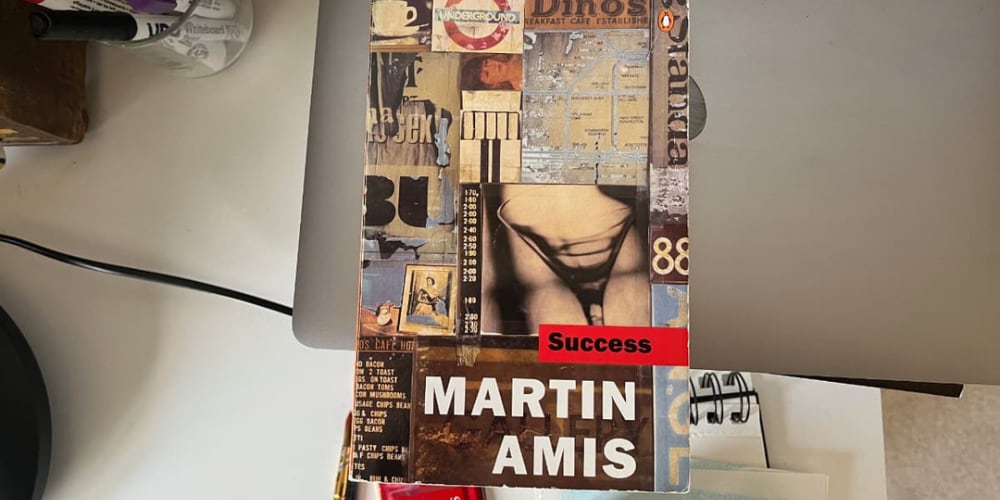
Success
220 pages, ~75,000 words, 12 chapters, one per month of a year, each chapter split in two by the first person voices of Terry and Gregory.
Sex-obsessed half-brothers Terry Service and Gregory Riding share Gregory’s London flat, where Gregory is living an abundant life of money and sex, and Terry is miserable and impotent. When sister Ursula becomes old enough to join them in their adult lives, their fortunes start to change.
These are two unpleasant characters with misogynistic, homophobic and racist views. Terry was taken in by the Ridings when he was nine years old. His father's murder of his sister was on the national news and fifteen years on he's still traumatised. A couple of minor asides to the reader reveal Gregory and Terry are both making a case, and both wonder what lies the other might be telling. As the months pass, Gregory’s rich life begins to unravel, and we begin to see he’s deceiving himself as well as us.
As the working class usurper in the upper class home, Terry lacks confidence and has a chip on his shoulder, made worse by Gregory’s narcissism, and they clash repeatedly over the flat, work, money, and most often women. In the opening chapter, Gregory tries to pass a girlfriend he’s bored of on to Terry, who can’t seem to get any success with women. Later Gregory steals from Terry a woman Terry’s been obsessed with for months but can’t seem to seduce. This back and forth is a tragic mirror of where the story ends up.
Amis is darkly playful with his language, a maestro really, but he's not for the faint of heart. He goes to town with Gregory, who sees opportunities for pleasure everywhere and spends most evenings at dinner parties with the wealthy Torka in Mayfair which inevitably become orgies. The elaborate descriptions and mannerisms are absurdly funny. He is a fool, and Amis makes merciless fun of him.
Terry’s psychological rise comes through his job in sales. His fear of being sacked is transformed into power when he accepts his role as assistant to the powerful union figures appearing in the company. By the end of the book, he is making more money than he knows what to do with, and certainly more than Gregory. On publication, the UK was at the end of the Callaghan Labour government, and one year later was the election of Margaret Thatcher. Success mixes the dourness of seventies London with the hope of the eighties when the culture came to believe that anyone could make money. The collapse of the entitled Riding family and the rise of Terry, the working class boy made good, is a glimpse into the future.
Previous: Lost in the Garden | Next: A Visit From the Goon Squad